

-
Agrifood
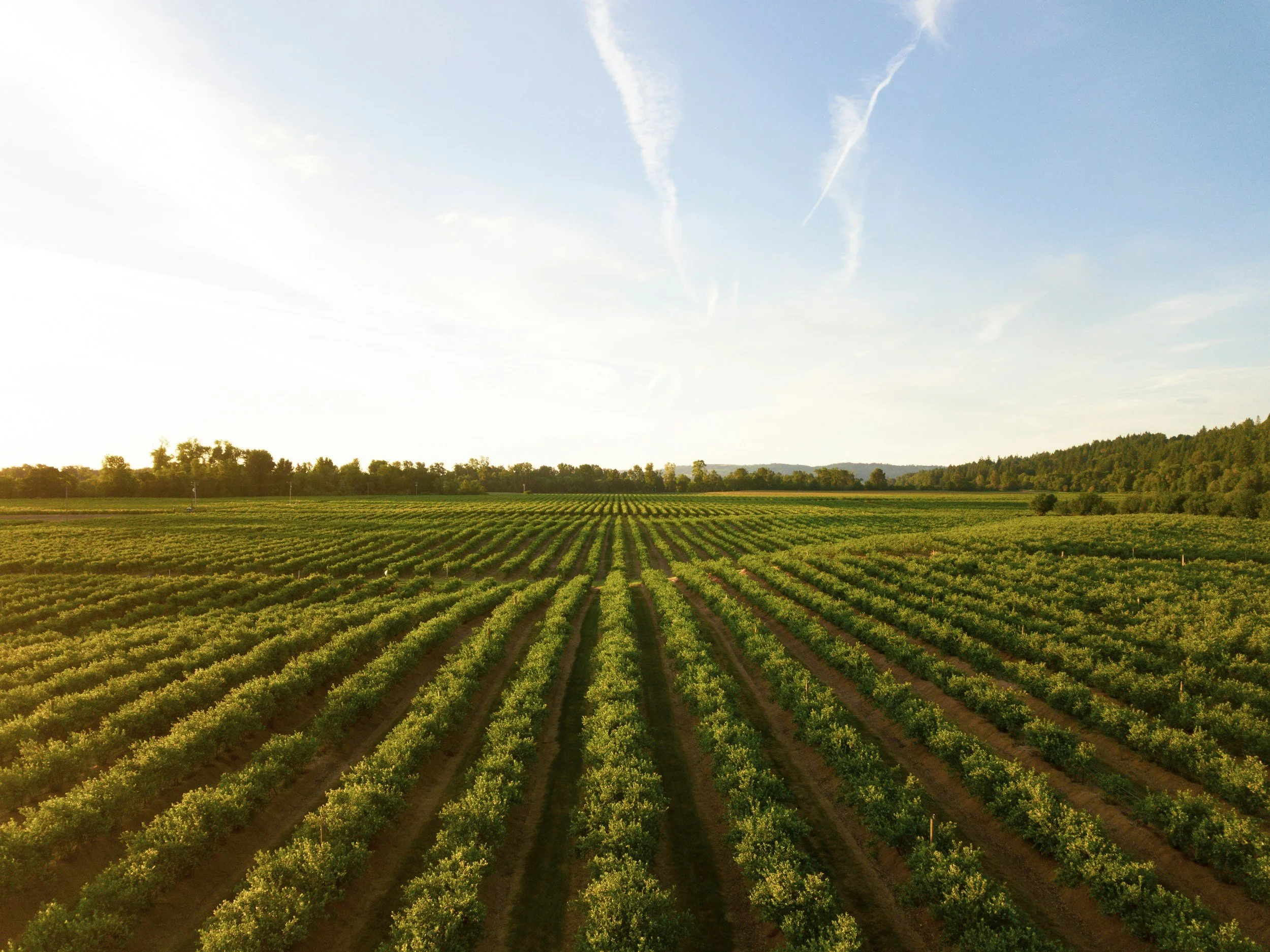
Syria has 5.5 million hectare of fertile, low-cost agricultural land and a keen work force. It has a need for everything else: seeds, irrigation systems, agrochemicals, cold chains. Post-conflict agri-partnerships have scaled rapidly in comparable settings, for domestic consumption and export.
-
Water
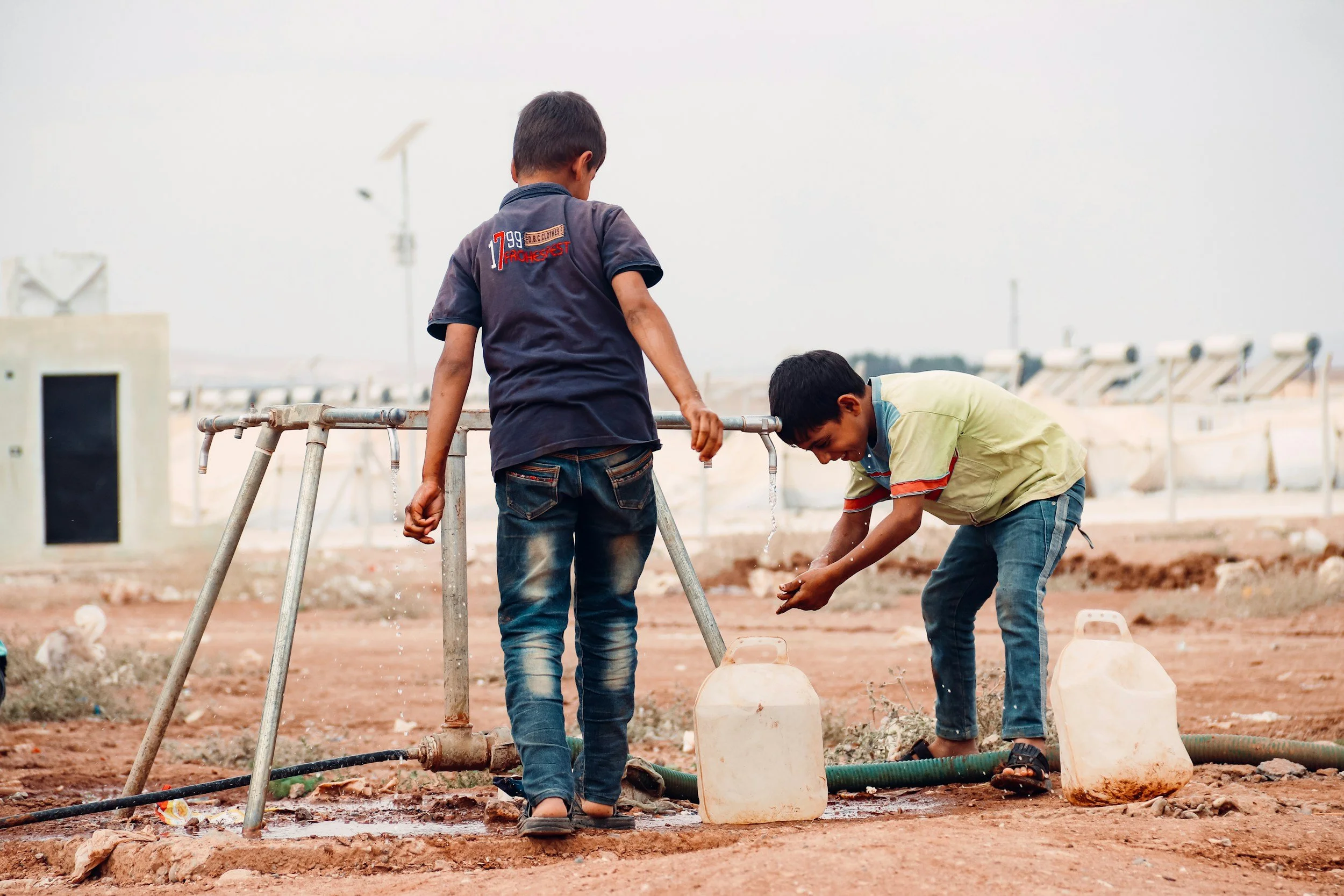
Two-thirds of Syria's water infrastructure has been destroyed or damaged. There is a need for treatment plants, pumping stations, sewage systems. Syria last year suffered its worst drought in 36 years. Dutch water expertise is globally recognized; early movers will shape the standards.
-
Renewable energy
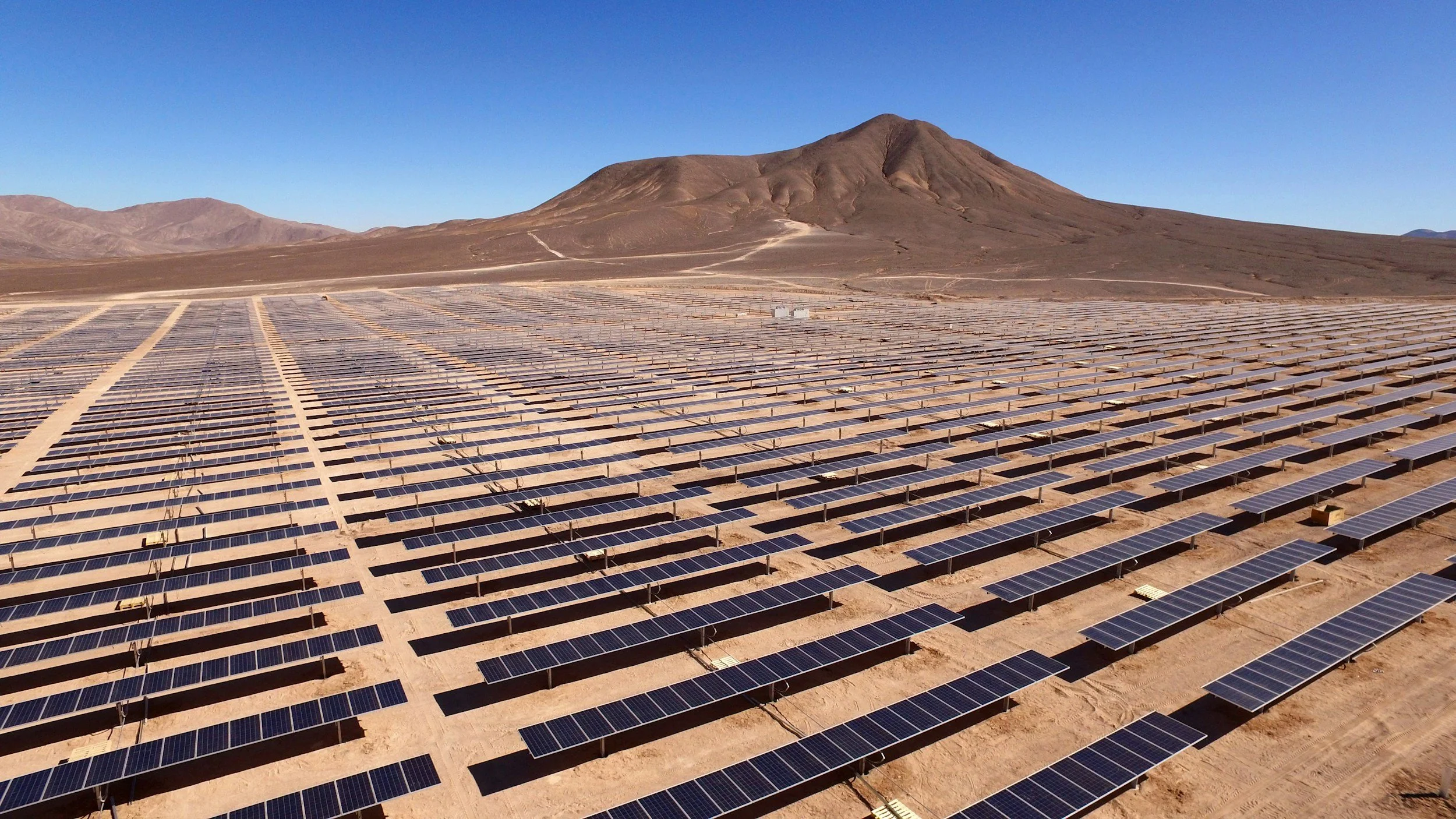
Syria's grid collapsed from 8,500 MW to 3,500 MW; most homes receive three hours of electricity per day. Lebanon saw solar capacity surge tenfold in four years. Syria offers comparable conditions with cheaper land. With institutional funding, decentralized energy will move fast here.
-
Asia-Middle East-Europe Corridor
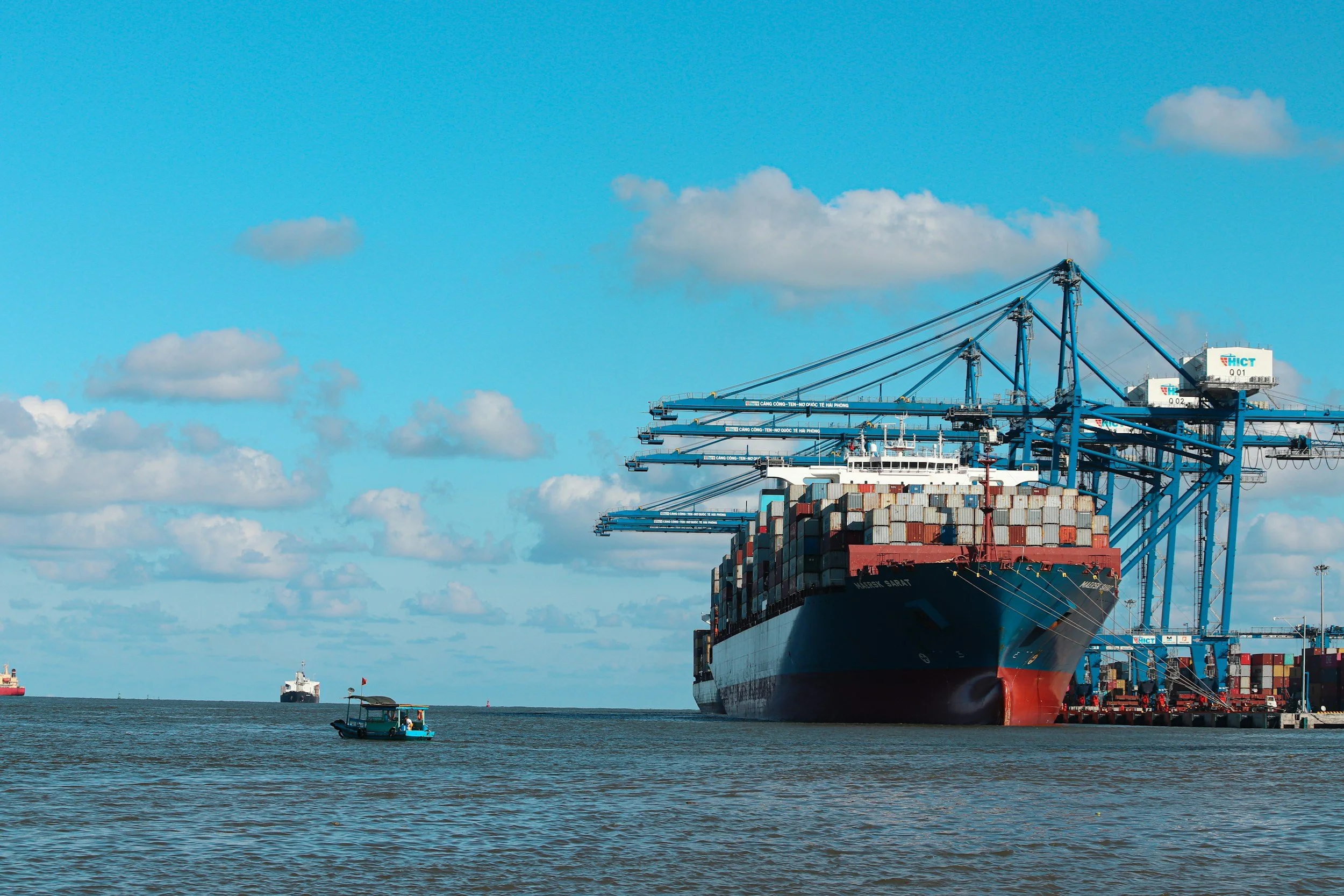
Syria sits on the shortest maritime route between the Gulf and Europe, with two deep-water ports that handled over 8m tons of cargo annually before the war. As container traffic scales back up, opportunities will open in every aspect of logistics.